Source New Fuel Pump for Cars, Engines, and Industrial Use
Explore 30 listings for a new fuel pump suitable for Honda engines, Deutz systems, and general automotive applications. Compare specifications including casting techniques, material types like rubber and steel, and OEM options to find the right component for your machinery needs.
Key considerations
Products List


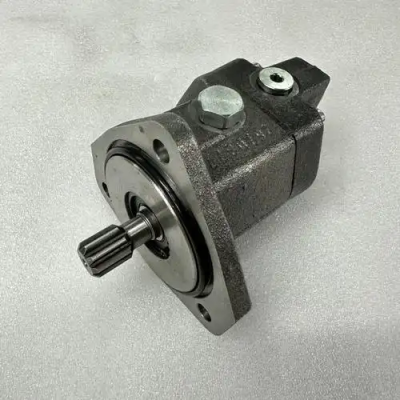


Comprehensive Sourcing Guide
New Fuel Pump Sourcing Guide
Sourcing new fuel pumps requires careful attention to the specific engine architecture and fuel delivery requirements of your target vehicles. The market offers a diverse range of components, from standard connecting rods to specialized fuel supply pumps designed for multi-cylinder engines. Buyers must distinguish between generic aftermarket parts and OEM-equivalent units that match the precise stroke and cylinder configuration of their machinery.
Verification of the product's origin and manufacturing base is equally critical for ensuring supply chain reliability. Many suppliers list their production facilities in regions like Beijing or Zhejiang Wenzhou, which can influence logistics costs and lead times. Understanding the specific place of origin helps buyers assess the logistical feasibility of importing these components while maintaining the quality standards expected for critical engine systems.
Product Scope and Observed Listing Signals
The available inventory spans a wide spectrum of price points and minimum order quantities, reflecting the variability in component complexity and supplier capacity. Listings indicate a price range from nominal values up to several thousand dollars, with minimum order quantities typically starting at a single unit and extending to one hundred pieces. This flexibility allows buyers to procure small batches for testing or larger volumes for immediate assembly line integration without excessive inventory risk.
Product attributes reveal a mix of materials and construction techniques, including rubber and iron body materials alongside casting and full automaticity production methods. Some units are packaged in wooden cases or color boxes, while others utilize standard export packaging or container shipping methods. These variations in packing and material composition signal different durability profiles and handling requirements that must be matched to the specific operational environment of the end-user.
Technical Specifications to Verify
Buyers must rigorously confirm that the fuel pump model aligns with the engine specifications, such as the 912 engine model or specific HLT-1BG3 and EM10252 designations. The stroke type, whether four-stroke or otherwise, and the cylinder configuration, including multi-cylinder setups, are fundamental parameters that dictate compatibility. Ensuring the carburettor type, such as downdraft, matches the engine's intake design is essential for maintaining optimal fuel-air mixture ratios and engine performance.
Dimensional and functional specifications like size, deck type, and muffler integration also require precise validation against the original equipment manufacturer's drawings. While some listings specify standard sizes, others may offer custom configurations or electronic fuel saver types that alter the pump's operational characteristics. Verifying the exact model number and physical dimensions prevents installation errors and ensures the component functions correctly within the existing fuel system architecture.
Compliance and Safety Documentation
Certification status serves as a primary indicator of a supplier's adherence to international quality and safety management systems. Many reputable manufacturers hold ISO, ISO/TS, and IATF 16949 certifications, which validate their processes against rigorous automotive industry standards. These credentials are particularly important for fuel system components, where failure can lead to significant safety hazards, making third-party verification of these documents a non-negotiable step in the procurement process.
Beyond general certifications, buyers should request specific test results and compliance reports relevant to the fuel pump's application. Documentation should confirm that the product meets the required standards for materials, such as alloy or steel construction, and that it has passed necessary durability and performance tests. Ensuring that the supplier provides clear evidence of compliance with regional safety regulations helps mitigate liability risks and ensures the product is legally marketable in the target destination.
Cost Drivers and Commercial Terms
The final cost of a new fuel pump is influenced by a combination of material inputs, manufacturing complexity, and the level of automation employed in production. Suppliers utilizing full automaticity and holding OE supplier qualifications often command higher prices due to the precision and consistency of their output. Additionally, the choice of packaging, whether a simple carton or a robust wooden case, adds to the overall unit cost and must be factored into the total landed cost calculation.
Commercial terms regarding minimum order quantities, sample availability, and warranty coverage significantly impact the financial risk of the purchase. While some suppliers offer single-item selling units and contact-based sample requests, others may require larger commitments to unlock favorable pricing tiers. A standard one-year or twelve-month warranty is common, but buyers must clarify the specific terms of coverage and the process for handling claims to protect their investment against premature component failure.
Supplier Qualification and Quality Control
Evaluating the supplier's enterprise qualifications, such as their foundation year and employee count, provides insight into their operational stability and capacity to fulfill large orders. Companies established since 2001 with a workforce of around 400 employees often demonstrate a mature quality control infrastructure capable of sustaining long-term production runs. This historical data helps buyers assess the likelihood of consistent supply and the supplier's ability to scale operations in response to fluctuating market demands.
Quality control protocols should be explicitly defined, including the supplier's approach to OEM standards and their internal inspection procedures. Buyers should verify that the supplier maintains a strict separation between new and used components, ensuring that all delivered units are in pristine condition. Confirming the supplier's business type as a direct manufacturer rather than a trader can further reduce the risk of quality degradation and ensure direct accountability for the product's performance and reliability.
Long-Term Procurement Checks
Establishing a reliable supply chain for new fuel pumps requires ongoing monitoring of the supplier's ability to maintain consistent quality over time. Buyers should implement periodic audits to verify that the production processes, including casting and assembly, continue to meet the agreed-upon standards and specifications. Regular review of the supplier's certification status and any changes in their operational capacity ensures that the partnership remains viable and that the product quality does not degrade as production volumes increase.
Future procurement strategies should also account for the potential need for customization and the availability of spare parts. Since customization is available for many components, buyers should negotiate agreements that allow for design modifications as engine models evolve or as specific performance requirements change. Maintaining a clear record of the original specifications, such as the Deutz brand or Honda car make compatibility, ensures that future orders can be placed with confidence and accuracy.
FAQs
What materials are used for new fuel pump components?
New fuel pump components are typically constructed from durable materials such as rubber and iron. The body material is often iron to ensure structural integrity under pressure. Some parts may also utilize steel for enhanced strength. These material choices support reliable performance in various engine applications, ensuring longevity and resistance to wear during operation.
Can new fuel pumps be customized for specific engines?
Yes, new fuel pumps can be customized to meet specific engine requirements. Customization options are available to adapt components like connecting rods or fuel supply pumps to different models. Buyers can specify details such as engine model compatibility or stroke type. This flexibility allows for precise integration into diverse mechanical systems, ensuring optimal performance and fit for unique operational needs.
What certifications are required for new fuel pump suppliers?
Suppliers of new fuel pumps often hold certifications such as ISO and IATF 16949. These standards ensure quality management and automotive industry compliance. Some products may also carry CE certification. Buyers should verify these credentials to guarantee that the components meet international safety and quality benchmarks. Certified suppliers provide greater assurance regarding product reliability and manufacturing consistency.
What is the typical warranty period for new fuel pumps?
The typical warranty period for new fuel pumps is one year or 12 months. This coverage protects buyers against manufacturing defects and ensures product reliability. A standard warranty indicates confidence in the component's durability. Buyers should confirm warranty terms with the supplier before purchase. This support helps mitigate risks associated with early failures and ensures long-term operational stability.
How are new fuel pumps packaged for shipping?
New fuel pumps are packaged using methods such as wooden cases, cartons, or color boxes. Some suppliers use standard export packages or container shipping for bulk orders. The packaging is designed to protect components during transit. Buyers should specify their preferred packing method to ensure safe delivery. Proper packaging prevents damage and maintains product quality upon arrival at the destination.
What is the minimum order quantity for new fuel pumps?
The minimum order quantity for new fuel pumps typically ranges from 1 to 100 units. This flexibility allows buyers to order small samples or larger batches. Some suppliers may require contact for sample requests. Low MOQs facilitate testing and initial procurement. Buyers can negotiate quantities based on their specific needs and budget constraints, ensuring efficient inventory management.